Services
Sweater Repair & Reknitting Services.
REQUEST AN ESTIMATE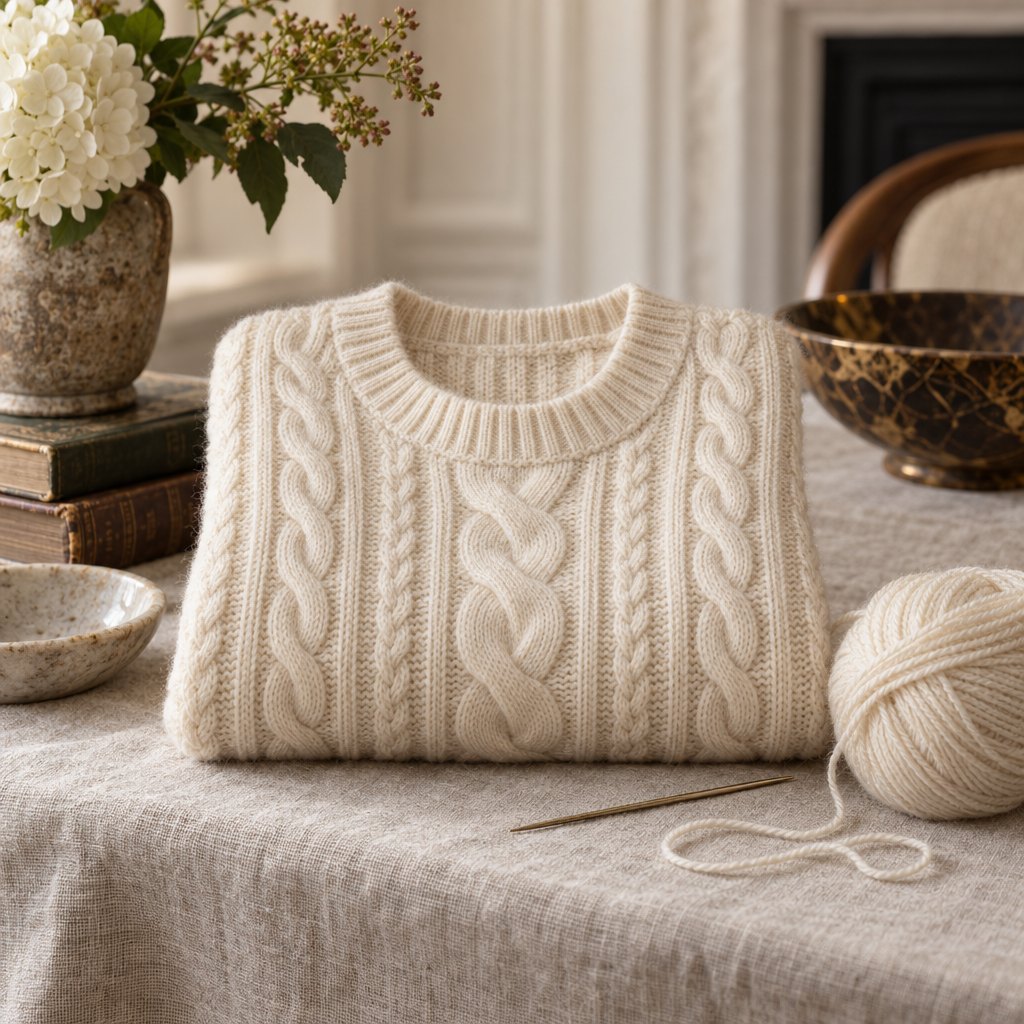
A moth hole, pulled thread, or tear in your favorite sweater can make you hesitate to wear it or try a repair yourself. On cashmere, fine wool, and patterned knits, a mismatched patch or tight stitching can be as noticeable as the damage. And a broken stitch can come undone further with wear and washing. An improvised mend may leave puckering, bulk, or loose threads inside, and a treasured gift or irreplaceable heirloom ends up unworn.
At Margaret's Cleaners, our professional sweater repair and reknitting services rebuild damaged knitwork with care for the fiber, stitch pattern, and color. We aim for a repair that blends with your sweater. Stop wearing the damaged sweater, then call (858) 454-2375 or contact us to request an assessment.
Is a moth hole, snag, or tear ruining your favorite sweater?
A small defect doesn't necessarily mean you need to give up your sweater. We check the broken stitches and surrounding fabric before recommending a repair. Bring it in early, before more stitches have a chance to loosen.
What is professional sweater reknitting and invisible mending?
With professional reknitting, we recreate missing or broken loops to follow your sweater's original stitch structure. We aim for virtually undetectable invisible mending, though the garment and damage determine what's possible.
How reknitting differs from darning or patching
With darning, you typically weave reinforcing threads across a hole; with patching, you add another piece of material. Either can leave a different texture. We use reknitting to rebuild the knit itself so the repair blends with the surrounding stitches.
Why both front and back matter
We don't consider a smooth front enough if you have a bulky tangle inside. Our aim is a clean finish on both sides, with tension that keeps the repair from pulling or puckering. We'll assess what's achievable without promising complete invisibility.
What types of sweater damage can we repair?
We assess everything from a single pinhole to larger damaged areas, including broken stitches, loose edges, and worn sections.
Moth holes
For moth hole repair, we rebuild missing stitches and check the fabric around them. If you have several scattered holes, we may recommend a different approach than we would for one isolated opening.
Snags and pulled threads
We can often work a pulled loop back into position without cutting it, sometimes with no visible trace. Never cut a snag. You can turn an intact loop into broken yarn.
Holes, tears, and runs
Before rebuilding a damaged section, we examine the direction of the knit and the remaining loops. By securing loose stitches, we help prevent further come undoneing.
Coming undone cuffs, hems, and necklines
We check whether we need to reconstruct the edge, ribbing, or joining stitches. Your repaired edge should hold its shape without feeling stiff.
Worn elbows and thinning areas
For elbow hole repairs, we first check the strength of nearby yarn. If it's too weak, we'll explain why a localized mend may not last.
How do we repair cashmere, wool, and delicate knits?
We choose our approach based on your sweater's fiber weight, stitch gauge, stretch, and texture, as well as the hole's size.
Cashmere and fine-gauge yarns
For cashmere sweater repair, we use fine tools and gentle, controlled tension to avoid puckering. Don't pull at delicate loops: you can enlarge the damage. Rubbing and unsuitable washing can also cause felting, so leave the area undisturbed until we assess it.
Wool and merino
Many wool knits tolerate more handling than delicate cashmere, but we treat fine merino with particular care. By matching stitch size and elasticity, we help the repair move with your sweater's fabric.
Blends, silk, alpaca, and synthetic knits
We need more than a color match. Along with yarn thickness, we consider sheen, softness, and stretch. If the repair fibers behave differently from your original knit, you'll notice the difference.
Can ribbed and cable knit sweaters be repaired without showing?
Yes, in many cases we can recreate the original stitch pattern so the repair blends closely. Your result depends on the yarn match and the condition of nearby stitches.
Stockinette stitch
You'll recognize stockinette by its smooth, V-shaped stitches on the front. We keep loop size and stitch placement consistent to help the repair blend in.
1x1 and 2x2 ribbing
In ribbing, you'll see alternating knit and purl stitches in repeating columns. We follow those columns and their stretch. A flat darn can interrupt both the appearance and flexibility of your sweater.
Cable and textured patterns
Your cable knit gets its raised pattern from crossed groups of stitches. With pattern-matched reknitting, we follow those crossings rather than cover the opening with an unrelated patch.
How do we match yarn and color so the repair blends in?
We assess fiber content, yarn weight, texture, and color together, including any fading in your sweater.
A new yarn with the original color name may look different against your older garment. We match what we see now, rather than rely on the label.
If your sweater's construction allows it, we can sometimes source yarn from a hidden area, such as a seam allowance or inside a hem. We can't do this with every sweater, and we'll explain matching limitations before recommending repair.
Should you try DIY sweater repair or hire a professional?
You may be comfortable with DIY sweater repair on a sturdy everyday knit, but we recommend professional repair when appearance, delicate fibers, or sentimental value matter.
When a DIY fix may be enough
You might choose visible darning for a small hole in an inexpensive, chunky knit if you're comfortable with the technique. A decorative mend can be your preference rather than an attempt at invisible repair.
When to bring it to a professional
Bring us your cashmere, fine-gauge knits, ribbing, cables, and sweaters with damage in prominent areas. We also recommend an assessment for gifted or heirloom sweaters you'd be reluctant to experiment on.
With professional reknitting, we address stitch structure, yarn compatibility, and tension together. Each affects how your repair looks and feels, inside and out.
Is repairing a sweater worth it compared to replacing it?
Repair often makes sense for your well-made or meaningful sweaters, but we weigh the damage against the condition of the whole garment.
When repair makes sense
You may struggle to replace designer knitwear, discontinued styles, or sentimental pieces. By repairing localized damage, we can help you keep a wearable sweater in use rather than discard it.
When replacement may be more practical
If your inexpensive knit has extensive damage, widespread moth holes, or thinning fabric throughout, repair may not justify the cost. We'll recommend against work that offers you little benefit.
How can you prevent moth holes and future sweater damage?
You can help protect sweaters between wears with clean, careful storage and regular checks. We recommend care suited to your specific fiber rather than universal remedies.
- Clean before storage. Body oils and food residue can attract clothes moths; have your knitwear professionally cleaned before seasonal storage (source).
- Fold rather than hang. You can stretch the shoulders and distort your sweater's shape by hanging it.
- Choose suitable storage. Use breathable cotton bags in a clean space or sealed containers for your clean, completely dry garments.
- Treat cedar or lavender as supplementary. Don't rely on them alone to prevent moth damage.
- Inspect stored sweaters regularly. Check for new holes or pest activity so you can catch problems early.
What types of sweater damage can't be repaired?
We may find a durable, discreet repair impractical if your sweater has widespread moth holes, fabric that's thin throughout, or large missing sections. Even when we can technically repair damage, the work may not be worthwhile. We'll check the surrounding knit and explain if replacement makes more sense before you commit.
Do you match colors for faded or discontinued sweater yarn?
Yes, we consider your sweater's current color, including fading, alongside fiber and yarn weight. Where construction allows, we may source matching yarn from a hidden area of your garment. We can't always get an exact match, particularly with discontinued or unevenly faded yarns.
Sweater repair FAQs
Can you repair a hole in a cashmere sweater so it's completely invisible?
We can often make a repair virtually undetectable, but we can't promise complete invisibility. With reknitting, we rebuild stitches using matched yarn and aim for a clean front and back. Your result depends on the hole's size and location, the surrounding fabric, and the available yarn match. We'll assess your sweater before recommending an approach.
What's the difference between DIY sweater repair and professional invisible mending?
With DIY darning, you usually weave threads across a hole; with professional invisible mending, we recreate the original knit structure using carefully matched yarn. Darning may leave a visible or bulky patch. On delicate fibers, you can worsen damage by pulling too hard or using unsuitable thread. We check your sweater's construction before choosing a repair method.
Can you fix holes in ribbed or cable knit sweaters?
Yes, in most cases we can assess and repair holes in your ribbed or cable knits by recreating the original pattern. We follow alternating knit-and-purl columns or crossed cable stitches rather than flatten the texture with a generic patch.
Ready to bring your sweater back to life?
Call (858) 454-2375 to discuss your sweater with us before a small hole becomes a larger problem. As the nation's first Five Star Certified Cleaner, with more than 70 years of experience, we'll assess its fibers and pattern, consider the yarn match, and give you honest repair-or-replace advice.
Prefer to write? Contact us to request an assessment. Wherever you are in the country, ask us how to send your garment through our nationwide CleanByMail service.