Services
Wedding Veil, Headpiece & Accessory Cleaning.
REQUEST AN ESTIMATE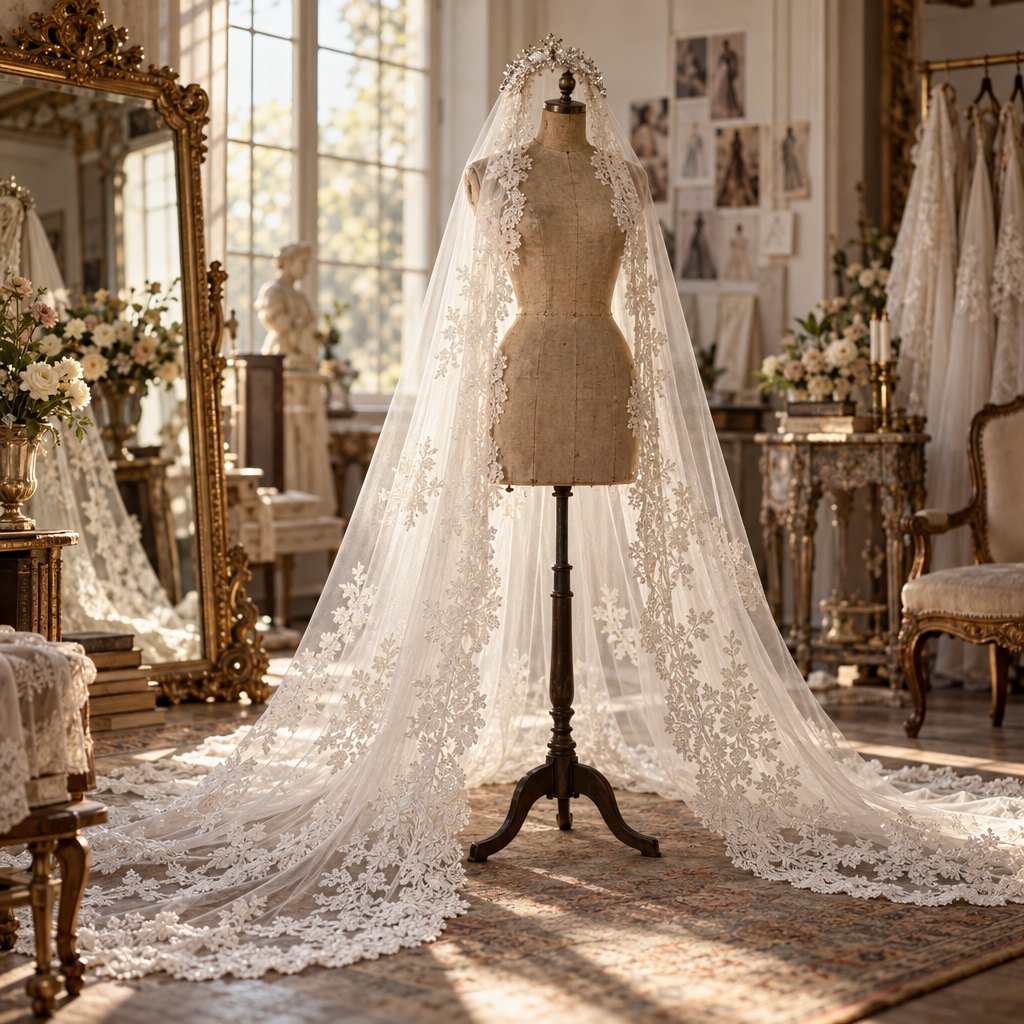
Your wedding veil needs cleaning, but the wrong treatment can damage delicate fabric, loosen pearls, or change a headpiece's shape. If you plan to wear your mother's or grandmother's veil, replacing it isn't an option. Even a new piece may combine fragile netting, adhesives, and trims that need different care.
Hot water, stain removers, or an iron can cause permanent damage, while makeup, body oils, and hairspray left untreated can contribute to discoloration in storage. At Margaret's Cleaners, a Five Star Certified Cleaner with more than 70 years of bridal care, we start wedding veil cleaning with a close inspection, then select hand-cleaning methods suited to your piece and its embellishments. Call (858) 454-2375 or contact us to discuss your veil, headpiece, or bridal accessories before attempting treatment at home.
Worried about cleaning a wedding veil you can't replace?
We assess your irreplaceable veil before choosing a cleaning method it can tolerate. Tulle can lose its body, silk can water-spot, and older lace can tear during handling. Glued rhinestones and pearl coatings need separate consideration.
Before treating your heirloom veil, we weigh stain removal against the risk to weakened fabric and original details. Protecting the piece comes first.
What happens when you trust us with your veil, headpiece, or accessories?
We inspect your piece, choose a cleaning method for its materials and condition, and select suitable finishing.
We start with inspection and fabric identification
We assess tulle, silk, organza, chiffon, or lace along with trims, combs, clips, and decorative attachments. During inspection, we check for weak seams, tears, stains, discoloration, and loose embellishments. We can't judge how a veil will respond to treatment by appearance alone.
We choose a method for your piece
We base the cleaning method on our inspection, not a standard treatment for every veil. A method that suits plain netting may damage its glued trim, so we consider the fabric and decorations together. With hand-cleaning, we can give delicate areas individual attention.
We finish with appropriate shaping
We choose controlled steaming or low-heat pressing according to your veil's fabric and construction. Our aim is to restore its presentation without scorching, melting, or flattening delicate details. We don't assume either steaming or ironing is right for every piece.
How do you clean different veil fabrics like tulle, silk, and lace?
We match moisture, cleaning agents, handling, and finishing heat to the fiber, rather than treating all sheer fabrics alike. If wet cleaning suits your piece, we use gentle, controlled soaking, cool to lukewarm water instead of hot water, and supported drying. We don't wring delicate fabric.
Tulle and nylon veils
We take care with heat because synthetic tulle can pucker or lose body. Before selecting treatment, we examine the net's structure and trim. For cathedral and chapel-length veils, we support the fabric during handling and drying so its wet weight doesn't pull against edges or attachments. We also check combs and gathered sections on blusher veils.
Silk, silk tulle, and chiffon veils
We handle silk gently, especially where age or wear has weakened it, and account for its risk of water-spotting. With chiffon, we identify the fiber before choosing cleaning agents and moisture exposure; appearance isn't enough. We also assess whether finishing could change your veil's drape.
Lace, Chantilly, and lace-edged veils
We support vulnerable lace because it can snag, and older Chantilly or lace edging may have fragile threads. Before treatment, we consider how the lace and base fabric will respond together. Your veil's condition sets the limit on how much treatment we recommend.
Can embellished headpieces with pearls, rhinestones, or beading be cleaned safely?
Yes, we can clean many embellished pieces safely when we choose treatment for their materials, attachments, and condition. We inspect decorative elements before cleaning and check their security afterward.
We don't assume we can immerse the whole piece. Soaking can loosen glued rhinestones, damage faux-pearl coatings, affect metal settings, or weaken bead threads. For beaded veil cleaning, we work carefully around embellishments and protect decorative surfaces.
With tiaras, crowns, hair combs, and headbands, we consider structure as well as decoration. Your rhinestone headpiece may combine metal, adhesive, fabric wrapping, and coatings that need different care.
Ask us about gloves, garters, fascinators, and similar pieces too. Tell us what you have so we can discuss suitable care. Matching accessories don't necessarily need matching treatment.
Can you remove yellowing and stains from a vintage or heirloom veil?
We can often improve yellowing and stains, but results depend on your fabric's age, strength, treatment history, and how long the discoloration has been present. We don't promise complete restoration.
Makeup, hairspray, perspiration, dirt, and wine
We assess each residue before deciding how to treat it. Alongside visible marks, we examine areas exposed to skin, cosmetics, and outdoor surfaces. We won't pursue aggressive stain removal at the expense of fragile fabric.
Yellowing and age-related discoloration
We look for yellowing that may relate to oxidation, body oils, poor storage, or contact with acidic materials. Harsh household bleach or hot water can further damage your vintage wedding veil.
For pieces 50 or more years old, we pay particular attention to weakened areas and discuss their limits with you before treatment. Planning to wear your mother's or grandmother's veil? Let us assess it before you try cleaning or pressing it yourself.
Should you clean your veil yourself or trust a professional?
We recommend professional assessment for heirloom, vintage, silk, lace, embellished, or stained pieces.
Watch for these common DIY veil cleaning mistakes:
- Using hot water or wringing delicate netting.
- Placing an iron directly on tulle.
- Applying household stain removers without understanding the fiber.
- Drying in direct sunlight.
- Hanging a wet cathedral veil, allowing its weight to stretch it.
You have little to gain from experimenting with an irreplaceable piece. Damage to silk, lace, adhesives, or pearl coatings may be permanent.
If you're unsure how to clean a wedding veil, leave it untouched until we can assess it. We'll discuss its materials, condition, and sentimental importance so you can decide how to proceed without unnecessary risk.
How do you keep a veil from yellowing after it's cleaned?
Clean your veil before storage, then use acid-free materials and a cool, dark, dry location to reduce avoidable discoloration. You may not see body oils, perfume, or hairspray even when they're still in the fabric.
Light, heat, and moisture all affect how textiles age. We focus our preservation guidance on limiting those exposures. We can't stop aging.
Use acid-free tissue to cushion folds, and avoid plastic bags and wire hangers. Choose an interior storage location rather than an attic or basement. Check your veil periodically and gently adjust folds if its condition allows.
Where you live affects storage: humidity, dry heat, and temperature swings present different challenges across the country. Through our nationwide CleanByMail® service, we can care for your veil wherever you live and discuss preservation with your regional climate in mind.
Frequently asked questions about wedding veil and accessory cleaning
How do you safely clean a 50+ year old vintage or heirloom wedding veil?
We inspect the fiber, old stains, and fragile areas before choosing the gentlest suitable method. Where appropriate, we may hand-clean with cool water and fiber-appropriate cleaners, then support the fabric during drying. Results depend on condition, and we'll discuss vulnerable areas before treatment.
Can I clean a veil with beading, rhinestones, or pearls at home?
We advise against home cleaning for most embellished veils. Soaking can loosen adhesive, dull faux-pearl coatings, and weaken threads holding beads. We'll assess the attachments, clean carefully around decorative elements, and check their security before and after treatment. Each component needs its own consideration.
Should I have my veil cleaned before or after the wedding?
You may need cleaning both before and after the wedding, depending on your veil's condition. Beforehand, we can assess whether an heirloom or stored veil needs cleaning and finishing. Afterward, arrange cleaning promptly rather than waiting months. You don't want makeup, hairspray, body oils, or outdoor dirt left in the fabric during storage, where they can contribute to discoloration.
Should I steam or iron my wedding veil?
You should choose steaming or ironing based on your veil's fabric, trim, and condition. Direct ironing can melt or pucker synthetic tulle, while silk and lace need controlled heat and protection. We select finishing for your piece rather than recommending one technique or temperature for every veil.
How should I store my veil after cleaning to prevent yellowing?
Use acid-free tissue and storage materials in a cool, dark, dry place to reduce avoidable yellowing. Avoid plastic bags, attics, and basements. By cleaning first, you remove residues that can contribute to discoloration. Check your veil periodically, since regional humidity and heat affect storage conditions.
Ready to protect your veil and bridal accessories?
Call (858) 454-2375 for a personalized quote and guidance on your wedding veil, headpiece, or bridal accessories. We'll inspect your piece carefully and choose fabric-specific methods, with attention to embellishment protection and preservation advice.
Whether you have a simple blusher or a family heirloom, we'll assess what it can safely tolerate and discuss limitations honestly. You don't need to identify every fiber or solve a stain before getting in touch. Have questions first? Contact us to describe your piece and arrange the next step in its care.